A bed that creaks every time you move is more than just annoying; it's a sign that something's wrong. Whether it's a slow groan when you roll over or a sharp squeak the moment you sit down, it tends to get worse over time, not better.
Most squeaky beds can be fixed in under 30 minutes. It's a case of finding the source, applying the right fix, and knowing when the bed has simply had it.
Why Does My Bed Squeak?
Squeaking almost always comes down to friction: two surfaces rubbing together where they shouldn't. The most common culprits are loose bolts or screws at the joints of the frame, worn or cracked slats flexing under weight, metal-on-metal contact at joints on metal frames, wood rubbing against wood as the frame expands and contracts, the mattress itself shifting against the frame or headboard, and an uneven floor causing one leg to rock slightly.
It's worth pinning down which of these is the problem before reaching for a screwdriver.
Find the Source
Remove your mattress, place it on the floor, and lie on it. No squeak? The noise is coming from the frame or headboard, not the mattress.
With the mattress off, press down firmly on different sections of the frame: the corners, the centre, the headboard joints. Rock it gently side to side. Once you know where the squeak is coming from, fixing it becomes much more straightforward.
7 Ways to Stop a Squeaky Bed
Work through these in order. Most people find the problem is solved by step one or two.
1. Tighten All Bolts and Screws
This is the most common fix, and it works more often than you'd expect. Joints loosen gradually, especially if the bed has been dismantled and reassembled even once. Over time, that creates just enough play to cause noise.
Grab a screwdriver and a spanner and work through every joint methodically. Pay particular attention to the headboard brackets, the side rail connections, and any central support legs. Don't overtighten; just snug them up firmly.
2. Replace or Pad the Slats
Slats are a frequent source of squeaking. If they're cracked or warped, they need replacing. Your local DIY store will cut timber to size cheaply.
If they're intact but noisy, the squeak is likely from the slat rubbing against its holder. A strip of felt, a cut-up mouse mat, or even an old sock wrapped around each end of the slat will kill the friction instantly.
3. Lubricate the Joints
How to stop a squeaky metal bed frame - WD-40 or a similar penetrating oil applied directly to the joints and pivot points usually does the job. Wipe away the excess to avoid rust staining your bedding.
How to stop a squeaky wooden bed frame - candle wax or beeswax rubbed into the joints works well and won't damage the wood or leave residue.
4. Add Padding Between the Mattress and Frame
If the squeak seems to come from the mattress moving on the frame, a thin non-slip mat (the kind used under rugs) placed between the two surfaces often solves it completely. This is especially common with firmer mattresses that don't compress much against the frame's edge.
5. Check and Level the Legs
Place a spirit level on the frame. If one leg isn't making firm contact with the floor, the whole bed rocks slightly with each movement, and that rocking creates noise.
A furniture pad under the offending leg, or a folded piece of card as a quick test, will tell you immediately whether this is the cause.
6. Tighten (or Replace) the Headboard
Headboards are particularly prone to working loose over time, especially if they're attached via struts to the divan or frame. Check that all headboard bolts are tight. If it still wobbles after tightening, the struts themselves may need replacing.
7. Could It Be the Squeaky Mattress?
Not every squeak comes from the frame. If you placed your mattress on the floor during the diagnosis step and it still made noise, the mattress itself is the problem.
This is most common with older open-coil spring mattresses. As the springs wear and the coils lose their tension, they start to rub against each other and the surrounding materials. There's no fix for this; it's a sign the mattress has reached the end of its life. As a general rule, mattresses should be replaced every 8-10 years, sometimes sooner if the support has visibly gone.
A worn mattress also tends to transfer movement more, so if your partner's every turn is keeping you awake as well as the noise, the two issues are often connected. We cover that in more detail in our guide to motion isolation in the bedroom.
If you're not sure which type of replacement to go for, our mattress guide for 2026 runs through the main options and what each one is best suited to.
Quick Reference
| Squeak type | Most likely fix |
|---|---|
| Squeaks at corners or joints | Tighten bolts |
| Squeaks from the middle | Pad or replace slats |
| Metal-on-metal grinding | Lubricate with WD-40 |
| Wood-on-wood creaking | Wax the joints |
| Mattress sliding noise | Add non-slip mat |
| Whole bed rocks | Level the legs |
| Mattress squeaks on the floor | Replace the mattress |
| Persistent, recurring squeak | Time for a new base |
When the Fixes Stop Working
If you've tried everything and the bed still creaks, or if it goes quiet for a few weeks before starting up again, it's worth asking whether the frame is actually worth keeping.
Beds typically last 8-10 years. Cheap frames, or those that have been moved multiple times, often reach the point where no amount of tightening or lubrication holds them quiet. The joints are simply worn out.
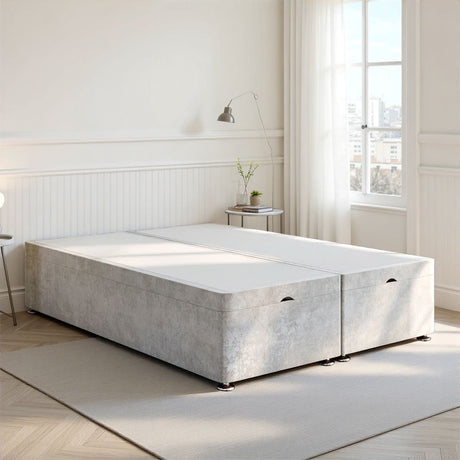
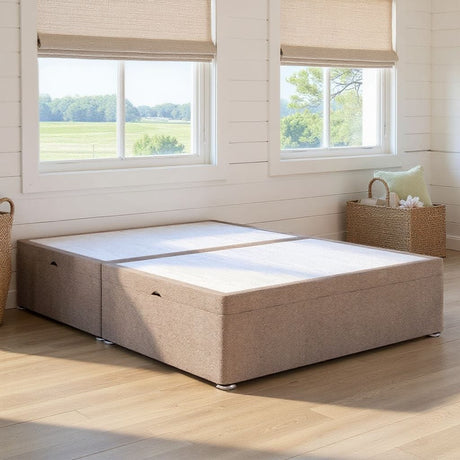
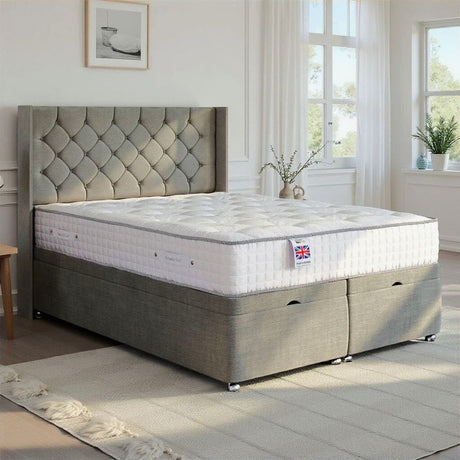
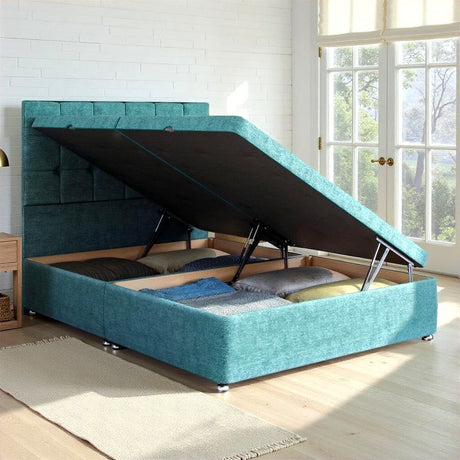
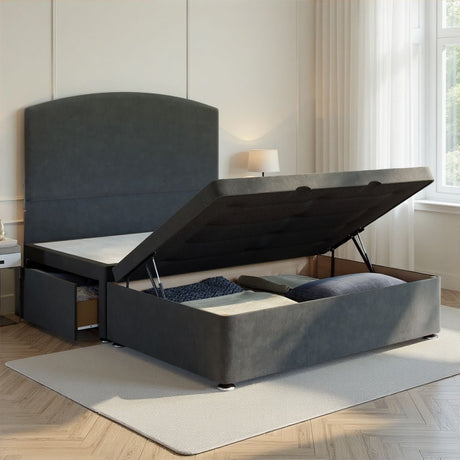
This is where the type of bed matters. Traditional slatted frames have multiple friction points: slats against holders, joints between rails, bolt holes that gradually widen with use. Divan bases are built differently. A quality divan is a single upholstered unit with no exposed joints, no slats, and no metal brackets working against each other. There's less to go wrong, which is part of why they're the bed of choice across the UK.
If you're replacing a squeaky frame anyway, it's worth seeing what a divan base can offer. Ours are handcrafted, available direct, and backed by NHS professionals.