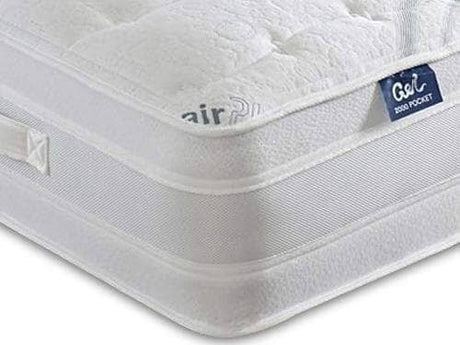
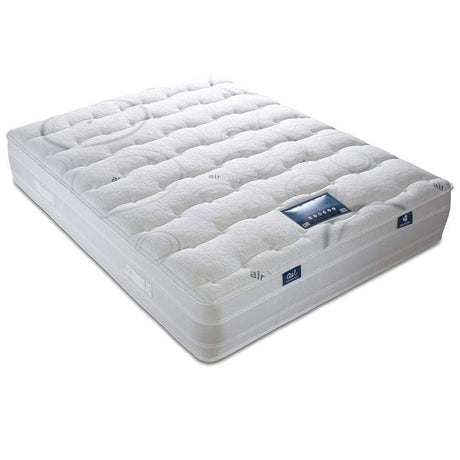
Search for a new mattress and within minutes you will hit the same fork in the road: pocket sprung vs memory foam. Both can deliver an excellent night's sleep, but they work in completely different ways, and the right choice depends on how you sleep, how warm you run, and what your body needs from a mattress. This guide explains the construction of each, without the marketing gloss, so you can choose on the engineering rather than the adjectives.
How a Pocket Sprung Mattress Is Built
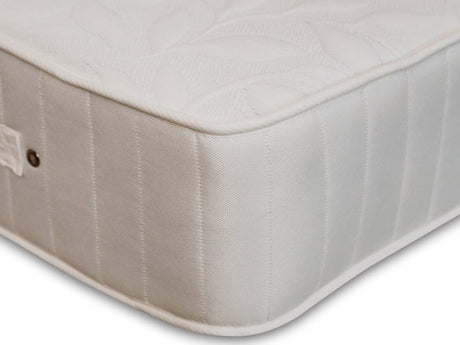
A pocket sprung mattress contains hundreds or thousands of individual steel springs, each sewn into its own fabric pocket. Because every spring moves independently, the mattress responds to the body point by point. Your shoulder compresses its springs, your lower back gets support from its own, and neither affects the other.
Spring count is the headline figure, typically from around 1,000 to 3,000 in a king size, but it is not the whole story. Wire gauge decides firmness, spring height affects responsiveness, and the layers of filling above the springs shape the final feel. A well-built 1,500 pocket mattress with quality fillings will outperform a cheaply filled 3,000 count every time.
How Memory Foam Works
Memory foam is a viscoelastic polyurethane foam, originally developed for aircraft cushioning. It softens in response to body heat and pressure, letting you sink in until the material has moulded to your exact shape. That moulding spreads your weight across the whole contact area, which is why memory foam is so effective at relieving pressure points at the hips and shoulders.
The figure to check is density, measured in kilograms per cubic metre. Foams around 50kg/m3 and above recover their shape slowly and last well. Lighter foams feel similar in the showroom but lose their supportive properties years sooner.
Support vs Pressure Relief: The Real Difference
Here is the distinction that cuts through most of the confusion. Pocket springs push back, memory foam gives way.
A pocket sprung mattress provides active support. The springs constantly work to hold your spine level, and the mattress surface stays open and easy to move on. Combination sleepers who change position through the night usually prefer this, as do people who like to sit up in bed.
Memory foam provides passive pressure relief. It cradles rather than pushes, which suits side sleepers and anyone who wakes with pressure soreness. The trade-off is that hugging sensation. Turning over in dense memory foam takes noticeably more effort, which restless sleepers can find irritating.
The Heat Question
Memory foam's biggest practical drawback is warmth. The same body-heat response that shapes the foam also stores that heat, and the close contour reduces airflow around you. If you already sleep warm, standard memory foam can make summer nights hard work.
Pocket sprung mattresses breathe better by design, since the spring chamber is mostly air and moisture can move through the fillings.
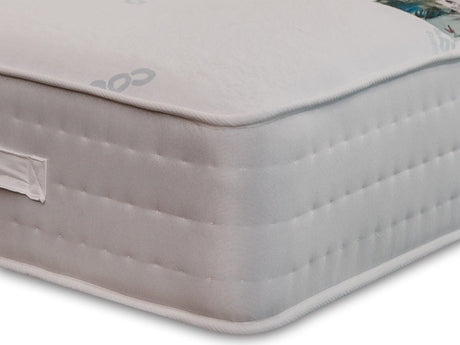
There is a third route. Our gel-tech cooling mattresses pair contouring foam with a cooling gel layer engineered to draw heat away from the body, keeping the pressure relief of foam without the stored warmth. For warm sleepers who want that moulded feel, it is usually the answer.
Motion Isolation, Durability and Weight
Sharing a bed changes the calculation. Memory foam absorbs movement almost completely, so one partner turning over barely registers on the other side. Pocket springs isolate motion far better than old open-coil designs, though a light sleeper may still notice a restless partner.
On lifespan, both technologies are capable of 8 to 10 years when well made. Quality of materials matters more than the technology. Dense foams and properly tempered springs last, cheap versions of either do not.
One practical note: memory foam mattresses are heavy and awkward to turn or rotate. Whichever you choose from us, complimentary two-man delivery to your room of choice means the getting-it-there part is handled for you.
The Base Underneath Matters More Than You Think
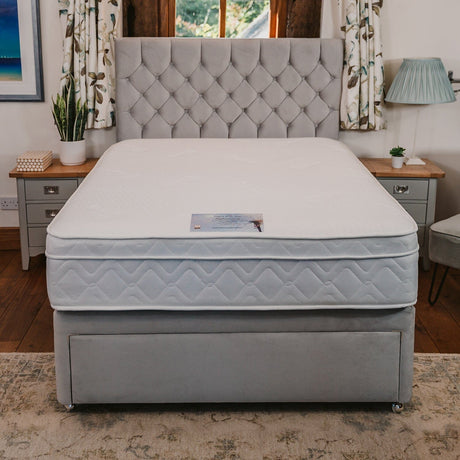
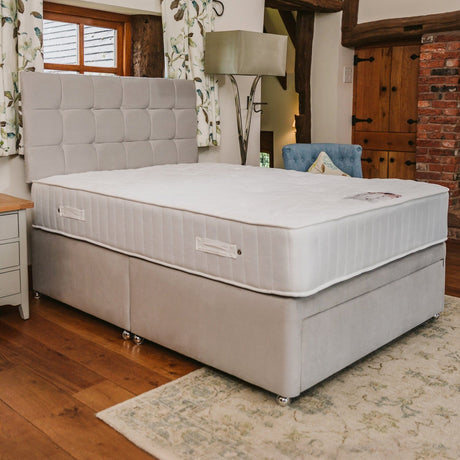
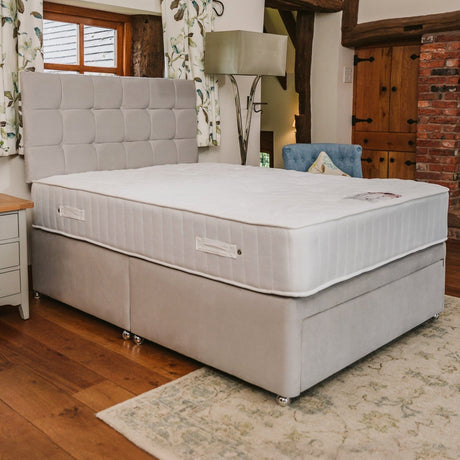
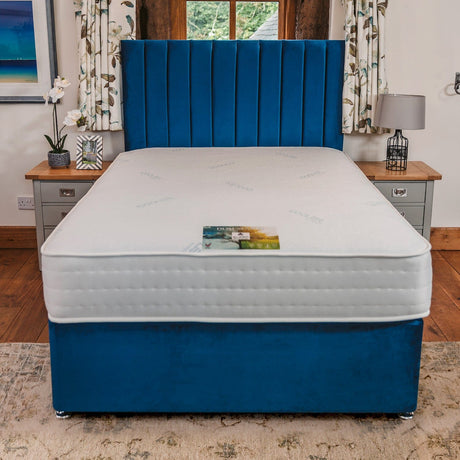
A mattress only performs to specification on the right foundation. A platform-top divan base gives a firm, completely even surface, which suits memory foam and firmer pocket sprung tensions. A sprung-edge divan adds a layer of give beneath a pocket sprung mattress, softening the overall feel and extending mattress life by absorbing some of the nightly load.
Slatted frames, by contrast, can create pressure lines under foam and uneven wear under springs if the gaps are too wide. It is one of the reasons we build on divan bases: full, even support across the entire mattress, every night.
So Which Should You Choose?
Choose pocket sprung if you change position through the night, sleep warm, prefer a surface that pushes back, or want the traditional feel of a British-made mattress.
Choose memory foam if you sleep on your side, wake with pressure soreness at the hips or shoulders, share a bed with a restless partner, or simply prefer that cradled sensation. If heat is your only hesitation, gel-tech cooling foam removes it.
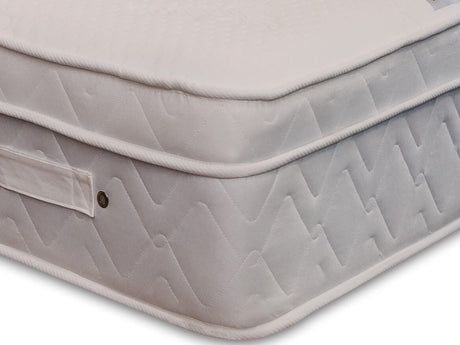
And if you genuinely sit between the two, a hybrid approach, pocket springs below with a contouring comfort layer above, offers a sensible middle ground.
Every mattress and base we make is medi-endorsed and delivered with complimentary two-man delivery to your room of choice. Explore the full range at Divan Base Direct and buy on the construction, not the brochure.