How to Sleep Better in Winter
As winter sets in, evenings get darker, nights get colder, and routines often slip. Although it feels like the season should encourage rest, many people find that their sleep actually gets worse. Trouble drifting off, waking at night, or feeling sluggish in the morning are common at this time of year.
The upside is that improving your sleep in winter usually doesn’t require a full lifestyle overhaul. Small, practical changes to your bedroom, habits, and bed setup can make a real difference. Below are some simple ways to sleep more comfortably through the colder months.
Why Is Sleep Harder in Winter?
There are a few reasons why winter sleep can feel more difficult than usual:
- Reduced daylight can interfere with your natural sleep and wake cycle
- Lower temperatures may make it harder to get comfortable
- Dry air from heating can cause irritation and discomfort
- Longer nights can lead to inconsistent sleep patterns
Once you understand what’s working against you, it becomes much easier to make changes that support better rest.
1. Get the Bedroom Temperature Right
Temperature plays a bigger role in sleep quality than many people realise.
Most sleep experts recommend keeping your bedroom between 16 and 18°C. During winter, temperatures can dip well below this overnight, especially in older or poorly insulated homes.
What helps:
- Adding extra bedding layers rather than turning the heating up high
- Using a winter-weight duvet with breathable materials
- Avoiding electric heaters running through the night, which can dry the air
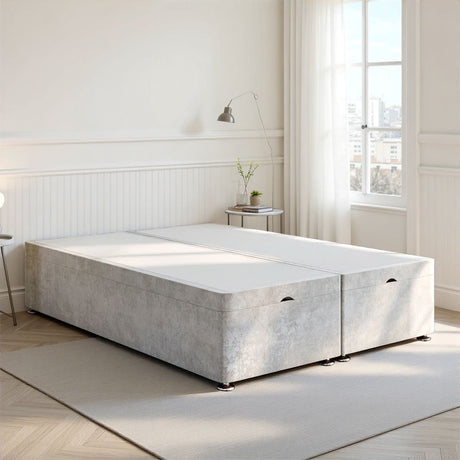
A supportive, well-built bed can also help retain warmth without causing overheating. If you’re reassessing your setup, consider our divan beds as a starting point.
2. Layer Your Bed for Comfort
Rather than relying on a single heavy blanket, layering your bed allows you to adjust easily as temperatures change throughout the night.
- A mattress that provides even warmth and support
- A mattress protector to add insulation
- Cotton or brushed cotton sheets
- A duvet matched to winter tog ratings
If your mattress feels cold, uneven, or generally uncomfortable, it could be nearing the end of its lifespan. Over time, mattresses lose their ability to regulate temperature properly. You can browse our mattresses if you think yours may need replacing.
3. Stick to a Consistent Sleep Routine
Shorter days and darker evenings can throw off your usual rhythm. It’s easy to go to bed earlier one night, later the next, and fall into the habit of scrolling in bed.
- Aim to go to bed and wake up at the same time each day
- Use brighter lighting in the morning to signal wake-up time
- Lower lighting levels in the evening to help your body wind down
Keeping a steady routine helps your internal clock stay balanced, even when daylight is limited.
4. Warm Up Before Bed, Not In Bed
Warming up before bedtime can make it easier to fall asleep. A bath or shower about an hour before bed raises your body temperature, and the gradual cooling afterwards encourages sleep.
It’s best to avoid:
- Very hot showers right before getting into bed
- Heavy or rich meals late in the evening
- Alcohol as a way to feel warmer, as it disrupts sleep cycles
Cosy sleepwear or warm socks can help you stay comfortable without overheating.
5. Keep the Air Comfortable
Central heating can dry out the air, which may affect your comfort while sleeping.
- Dry or irritated skin
- Sore or dry airways
- Lighter, more broken sleep
Simple adjustments include:
- Placing a bowl of water near a radiator
- Opening a bedroom window briefly each day
- Turning heating down overnight where possible
Fresh air and balanced humidity can improve comfort and overall sleep quality.
6. Make Sure Your Bed Is Doing Its Job
If you regularly wake up feeling cold, stiff, or unrested, your bed could be contributing more than you think.
Common signs it may be time for a replacement include:
- A mattress that’s more than 7 years old
- Visible dips or sagging
- Feeling colder than usual during the night
- Waking up with aches or pains
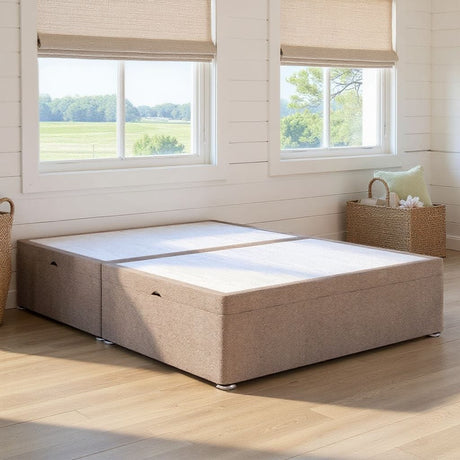
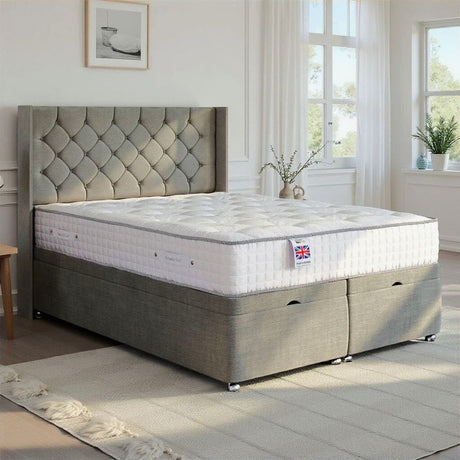
A sturdy divan base combined with the right mattress can improve warmth, support, and comfort during winter. For extra practicality, an ottoman bed with storage is ideal for keeping spare bedding close to hand.
7. Embrace the Season, Not the Stress
Winter naturally encourages a slower pace. Shorter days aren’t a sign you’re doing something wrong, they’re simply a reminder to rest more.
You might find it helps to:
- Read instead of using screens before bed
- Do light stretches or breathing exercises
- Create a simple, repeatable wind-down routine
Your bed should feel like somewhere you can relax, not somewhere you battle to fall asleep.
Sleep Better This Winter with Divan Base Direct
Good winter sleep starts with a solid foundation. At Divan Base Direct, we design beds and mattresses that support your body, retain warmth, and promote comfort throughout the year.
If you’re considering a new mattress, upgrading your base, or simply giving yourself more space to sleep comfortably, investing in the right bed can make a noticeable difference this winter.
If you’re unsure what to choose, use our Bed Finder to help narrow down the best option for your room, budget, and sleep preferences.