We've all experienced the fog of a terrible night's sleep: patience is thin, the mind races, and every minor inconvenience feels like a crisis. The link between sleep and stress isn't just in your head - it's a well-researched biological phenomenon. Sleep reduces stress by regulating cortisol, calming the brain's emotional centres and giving your nervous system the overnight reset it needs to face the next day.
In this guide we explain how sleep lowers stress, what the latest research says in 2026, and the practical steps - from bedtime routines to your bedroom setup - that help you sleep deeper and worry less.
What's in this guide
The vicious cycle: sleep and stress in 2026
Sleep and stress share a bidirectional relationship. High stress makes it harder to fall asleep; a poor night's sleep amplifies stress the next day. The NHS estimates that roughly 1 in 3 UK adults struggle with poor sleep, and stress is one of the leading causes.
According to a 2026 NapLab report, 57% of adults say getting more sleep would help them feel less stressed, and highly stressed adults typically get about one hour less sleep per night than those with low stress levels.
"Among adults with lower stress levels, 33% describe their sleep quality as excellent or very good, compared to just 8% of those experiencing high stress."
- NapLab Sleep & Stress Statistics, 2026
The science: cortisol and your stress response
To understand how sleep reduces stress, we need to look at cortisol - your body's primary stress hormone. Cortisol controls your "fight or flight" response, raising heart rate, tensing muscles and keeping you alert.
Cortisol naturally rises in the early hours of the morning before you wake, preparing your body for the day. This is called the cortisol awakening response (CAR). When you're chronically sleep-deprived, this rhythm falls out of sync: instead of a healthy morning peak followed by a gradual decline, your body stays in a prolonged state of high alert, flooding your system with excess cortisol throughout the day.
Getting 7 to 9 hours of restorative sleep - the range recommended by the Sleep Foundation - allows your nervous system to calm down, clear out the day's stress hormones and reset your baseline.
Why deep sleep is the real anxiety reliever
Not all sleep is equal when it comes to reducing stress. Research led by Professor Matthew Walker at UC Berkeley found that deep non-REM slow-wave sleep is the specific stage that calms the anxious brain. In the study, a single sleepless night increased anxiety levels by up to 30%, while participants who spent more time in deep sleep had the lowest anxiety the following day.
During deep sleep, your brain's prefrontal cortex - the region that regulates emotion - reconnects and reorganises. Heart rate and blood pressure drop, and neural oscillations synchronise. This is your body's overnight therapy session.
The practical takeaway: it's not just about hours in bed, but about sleep quality. A noisy room, an uncomfortable mattress or a too-warm bedroom can all fragment deep sleep - even if you technically get eight hours.
10 practical tips to sleep better when stressed
Sleep hygiene is the term experts use for the habits and environmental factors that shape how well you rest. Here's what the evidence supports:
- Keep a consistent schedule. Go to bed and wake up at the same time every day - even at weekends. This anchors your circadian rhythm and helps prevent cortisol spikes.
- Cut caffeine after 2pm. Caffeine has a half-life of around 5 hours, so an afternoon coffee can still be active at bedtime.
- Limit alcohol within 3 hours of bed. Alcohol may help you fall asleep, but it suppresses deep sleep and REM - the stages that reduce stress.
- Keep your bedroom cool. The ideal temperature is 16–18°C. A cooler room signals to your body that it's time to rest.
- Block out light. Blackout curtains or an eye mask help protect melatonin production. Even low-level light from standby LEDs can disrupt sleep.
- Power down screens 30–60 minutes before bed. Blue light suppresses melatonin, and doom-scrolling keeps your mind alert. Try reading a paperback instead.
- Try a 10-minute wind-down routine. Box breathing (4 seconds in, 4 hold, 4 out, 4 hold) or a gentle stretch routine activates the parasympathetic nervous system.
- Don't lie awake worrying. If you haven't drifted off after 20 minutes, get up, go to another room and do something quiet until you feel sleepy. Staying in bed while stressed trains your brain to associate bed with anxiety.
- Get morning daylight. 10–15 minutes of natural light within an hour of waking strengthens your circadian rhythm and lowers evening cortisol.
- Invest in the right mattress. Physical discomfort is one of the most common - and most fixable - causes of broken sleep. See our Best Mattresses for 2026 guide for a full comparison.
If you've tried these for more than a month and still struggle, speak to your GP. Persistent insomnia responds very well to Cognitive Behavioural Therapy for Insomnia (CBT-I), which the NHS offers and is the recommended first-line treatment.
How your bedroom setup affects stress levels
Your sleep environment has a measurable effect on sleep quality - and therefore on your stress levels. Two areas are worth focusing on:
A supportive mattress for uninterrupted deep sleep
89% of people say mattress comfort is extremely important to good sleep. Pressure points, sagging springs and poor spinal alignment all cause the micro-awakenings that prevent you from reaching the deep sleep stages needed to lower cortisol.
A quality mattress - whether that's the contouring support of memory foam, the responsive feel of pocket sprung, or the temperature regulation of a gel or hybrid mattress - eliminates much of the physical tension that keeps sleepers restless.
A clutter-free bedroom for a calmer mind
Environmental psychology research has repeatedly shown that visual clutter raises cortisol. Waking up to a messy bedroom triggers stress before your day has even begun.
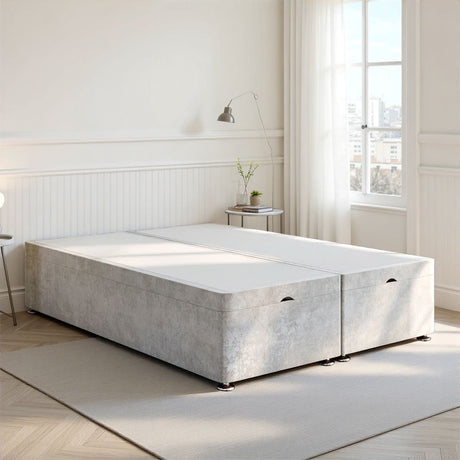
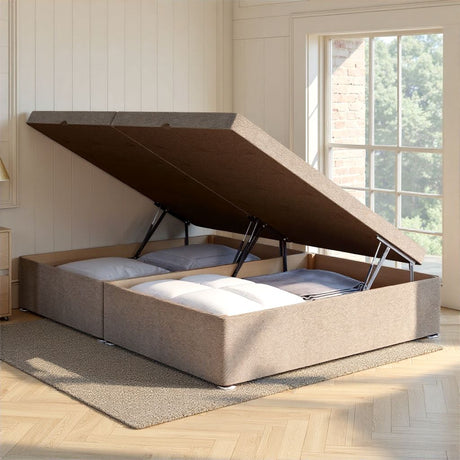
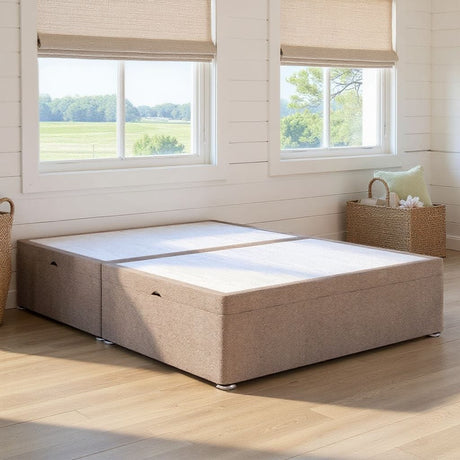
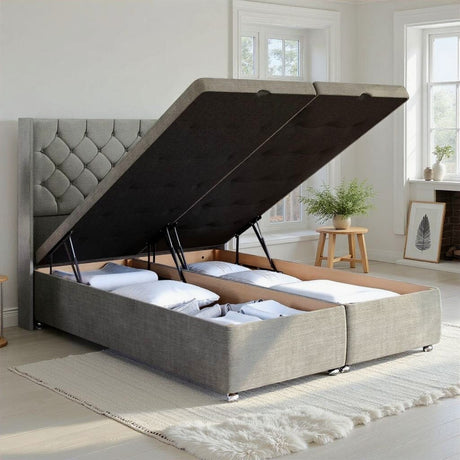
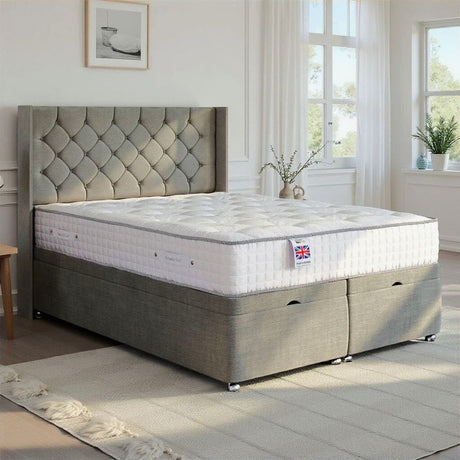
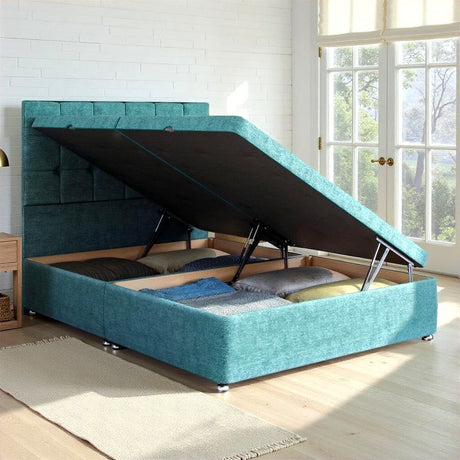
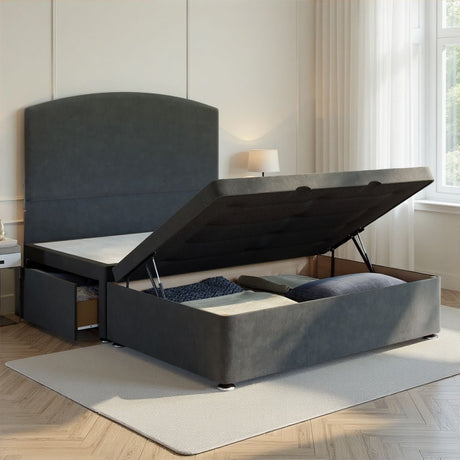
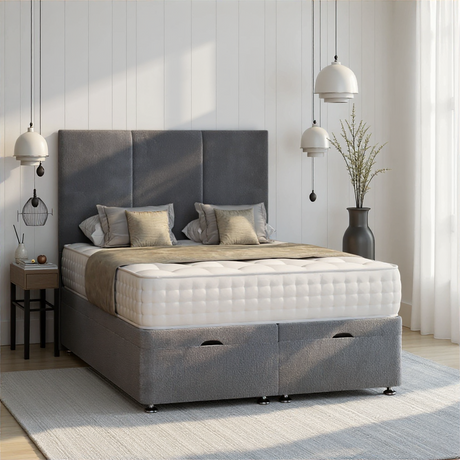
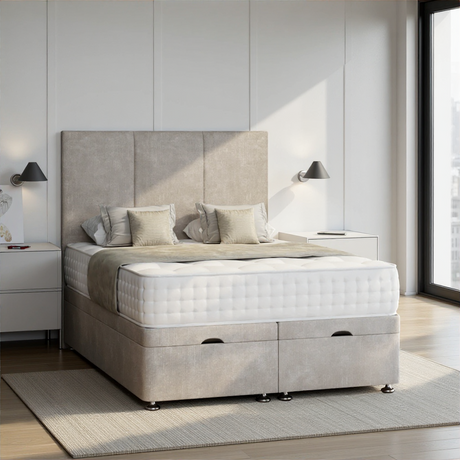
This is where storage solutions help. Ottoman beds with lift-up bases and divan bases with drawers provide hidden, spacious storage beneath your mattress - ideal for seasonal clothes, spare bedding and everything else that would otherwise pile up on chairs and floors. A minimalist bedroom genuinely does promote a calmer mind.
Frequently asked questions
How many hours of sleep do I need to reduce stress?
Most adults need 7 to 9 hours per night. The key is consistency and sleep quality, not just total hours - 8 hours of fragmented sleep is less restorative than 7 hours of deep, uninterrupted sleep.
Can sleep cure anxiety?
Sleep isn't a cure for clinical anxiety disorders, but quality sleep is a critical part of managing anxiety. Research from UC Berkeley shows that deep sleep measurably reduces anxiety by restoring the prefrontal cortex's ability to regulate emotion. If anxiety is severe or persistent, speak to your GP.
Why do I wake up at 3am feeling stressed?
Early-morning waking is often linked to elevated cortisol, alcohol in the evening, or undiagnosed sleep apnoea. It can also signal depression or chronic stress. Occasional 3am wake-ups are normal; if it's happening several nights a week, it's worth investigating with a GP.
Does a better mattress really help with stress?
Yes - indirectly. A supportive mattress reduces the pressure points and back pain that cause micro-awakenings, which means more time in the deep sleep stages that lower cortisol and reset the anxious brain. It won't fix stress on its own, but it removes one of the most common physical barriers to quality sleep.
What's the best sleeping position for reducing stress?
There's no single "best" position for stress specifically, but side sleeping is generally recommended for spinal alignment and breathing quality. Make sure your pillow keeps your head neutral with your spine - too high or too low causes tension that can wake you during the night.
Does exercise help with sleep and stress?
Yes. Regular daytime exercise improves sleep quality, deepens slow-wave sleep and reduces stress hormones. Avoid vigorous exercise within 2 hours of bedtime, as it can delay sleep onset for some people.
The bottom line
Sleep and stress are deeply intertwined, but the relationship works both ways - which means improving your sleep is one of the most effective things you can do for your mental wellbeing. Focus on consistency, a calm bedroom environment, and the deep-sleep stages that genuinely reset the anxious brain.
If you're ready to upgrade your sleep sanctuary, browse our full mattress range or explore our divan and ottoman bases with built-in storage. Your next great night's sleep starts with the right foundation.