With the UK breaking its May temperature record this year, and overnight lows refusing to drop below 20°C in parts of the south, sleep has become the hardest part of summer. Tropical nights, the kind where the air never really cools, are no longer a Mediterranean problem. They're a British one. Here's how to keep your bedroom liveable when the forecast won't budge.
Start with a breathable bed
The bed itself is doing more work than people realise. Dense memory foam holds heat against the body, which is fine in February and miserable in late May. If you're due a new mattress, our 2026 mattress guide walks through the full range. The advice below is specifically about what works in the heat.
Mattress types that run cooler
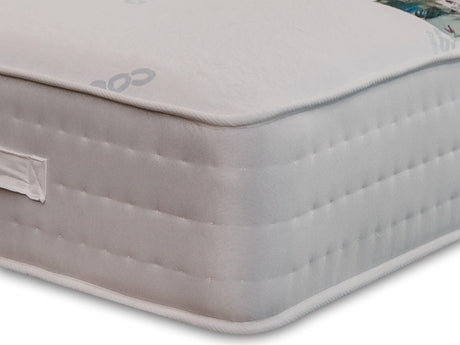
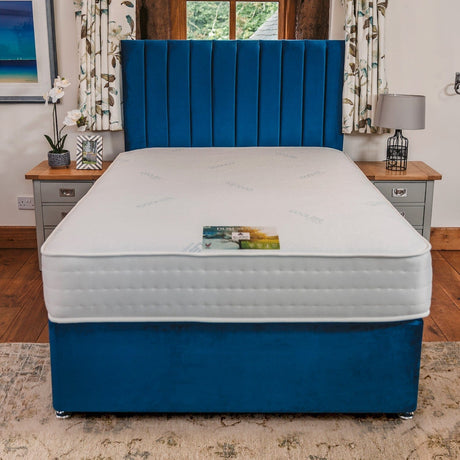
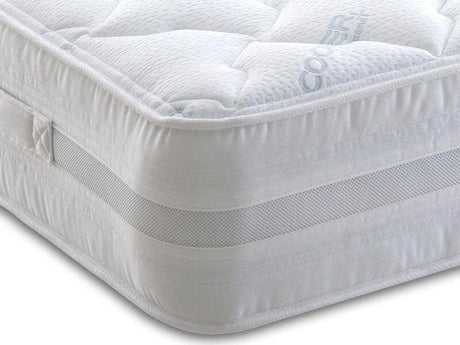
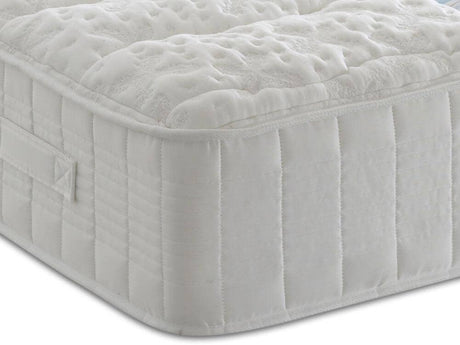
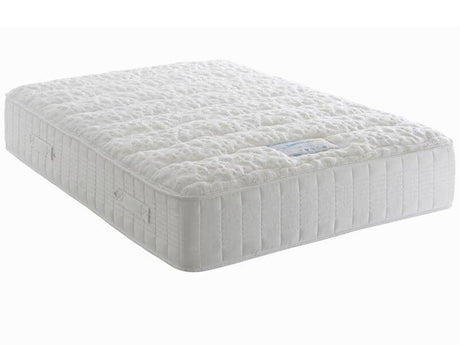
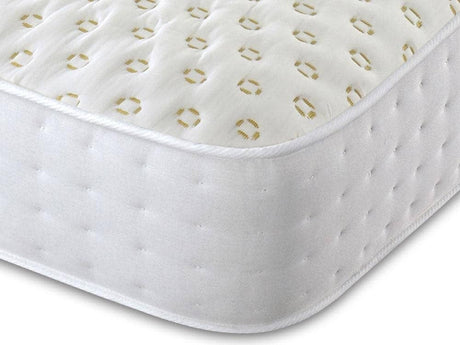
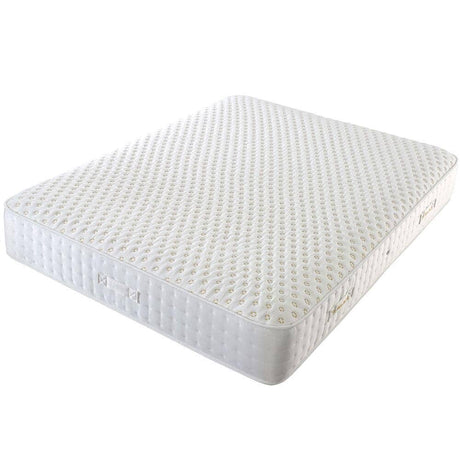
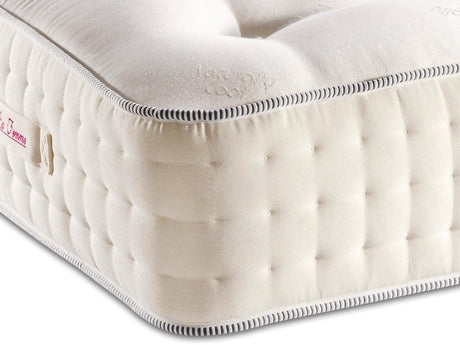
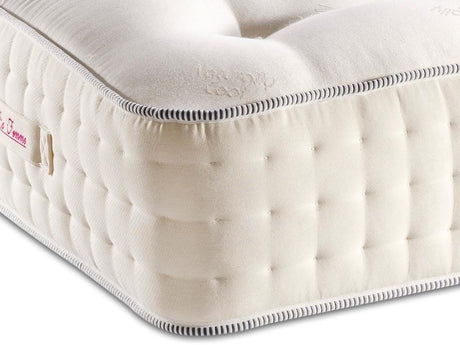
Pocket sprung mattresses are still the most reliable cool-sleep format for UK summers. The air gaps between the springs let heat dissipate rather than build up underneath you. Natural latex is another strong option, with an open cell structure that allows air to move through it and doesn't retain body heat the way traditional foam does. Hybrids combine a pocket sprung base with a thinner comfort layer on top, giving you the airflow of springs with a softer finish. Look for hybrids that specify a breathable or gel-infused top layer rather than thick memory foam.
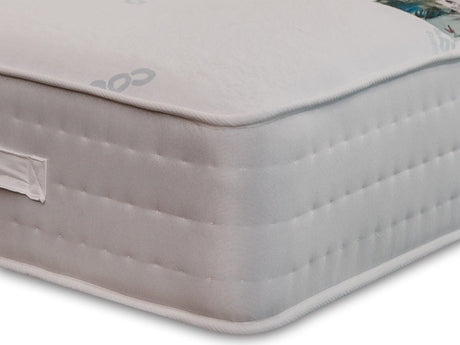
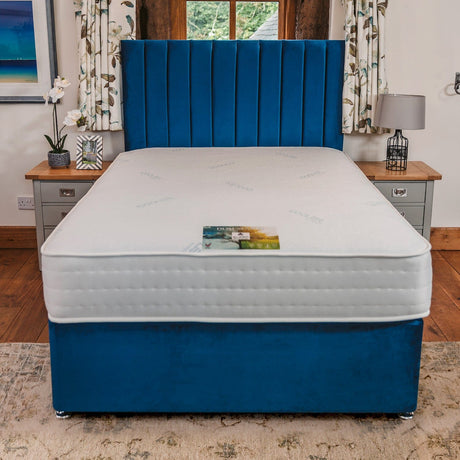
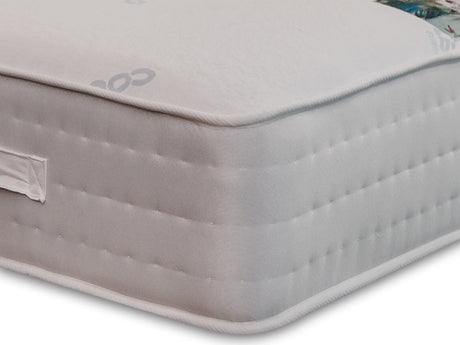
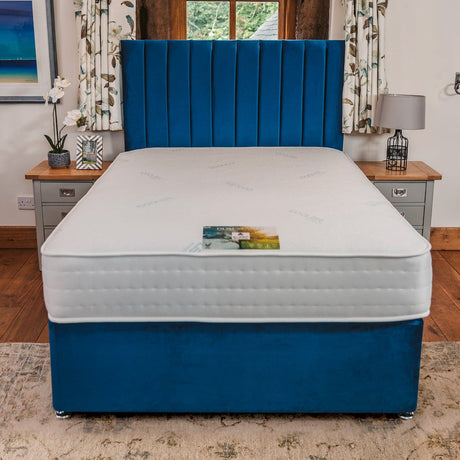
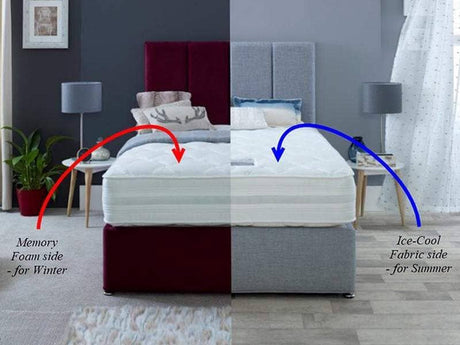
Dual Season Climate Control Mattress
Featuring two sides, one for summer and one for winter, the Dual Season Climate Control Mattress is the leading mattress for 2026 when it comes to temperature control in the bedroom. Shop here.

Toppers and pillows
If replacing the mattress isn't on the cards, a cooling topper is the next best move. Gel-infused options draw heat away from the surface, and bamboo or cotton-covered toppers wick moisture so you wake up less clammy. The same logic applies to pillows. A buckwheat pillow allows air to circulate through the filling, and gel-topped pillows keep the side your face touches noticeably cooler.
Bedding that earns its keep in summer
Swap winter bedding out entirely from May onwards. The fabrics that actually help are percale-weave cotton, linen, and bamboo. Linen in particular gets better with washing and handles humidity without feeling damp. Lower the tog on your duvet to 4.5 or below, or switch to a linen flat sheet on its own.
Cool the room before the room cools you
A cool bedroom at bedtime beats a cool body at midnight. The work happens during the day.
Keep the heat out
Close curtains and blinds on south and west-facing windows from mid-morning. Blackout curtains or thermal linings make a real difference, blocking direct sun before it warms the room. If you have shutters or external blinds, even better.
Use windows strategically
In a normal British summer, opening windows overnight works. In a heatwave with tropical nights, it doesn't. If the outdoor temperature is higher than the indoor temperature, opening the window lets the heat in. Check before you commit. The window of opportunity is usually the early hours, roughly 3am to 6am, when outdoor temperatures dip lowest. Open then, close before the sun comes up, and keep the room sealed during the day.
Fans, used properly
A ceiling fan should rotate counterclockwise in summer to push air downwards. For pedestal and tower fans, position matters more than power. Place a fan facing out of a window in the early evening to push warm trapped air out. Later, point a fan across a bowl of ice or a frozen water bottle to cool the air it pushes towards the bed. Pointing a fan directly at yourself all night can dry out airways and disturb sleep, so aim across the body rather than at it.
Air conditioning, if you're considering it
Portable air conditioners have become a sensible UK purchase rather than an extravagance. A 9,000 to 12,000 BTU unit will cool a standard double bedroom in under an hour. Run it before bed, then switch to fan-only or off once the room is down to temperature. Window units cool faster but need installation. Either is more effective than fans alone when the room won't drop below 25°C.
Cool the body too
Bedtime habits make as much difference as the kit. A lukewarm shower before bed lowers core body temperature more effectively than a cold one, because a cold shower causes the body to retain heat in response. Drink water through the evening, but ease off in the last hour to avoid waking up. Skip alcohol, which raises core temperature and fragments sleep. Sleep in loose cotton or linen, or nothing at all. Tight synthetic fabrics trap heat and moisture.
For pulse-point cooling, a damp flannel on the wrists, neck or the back of the knees works quickly and can be re-wet through the night. A hot water bottle filled with cold water and placed at the feet helps, since cooling the extremities lowers overall body temperature.
The bed base matters too
A divan base with a ventilated platform top or a sprung edge allows air to move beneath the mattress, which prevents heat building up against the underside. Solid platform tops trap warmth. If you're rethinking your bed setup for the long, hot summers we're now getting, the base is worth as much attention as the mattress on top of it.
Final thoughts
UK summers have changed. The bedroom that worked five years ago isn't necessarily the one that will get you through this one. Breathable bedding, a sensibly ventilated bed base, a room kept dark during the day, and a few well-placed fans will take you a long way. And if your current mattress is the part of the bed that's letting you down at 2am, our cooling mattress range is built for exactly the nights we're now having. Sleep well, and stay cool.